One of the most frequent questions in the world of the sport is “what do athletes eat?”. We have done many research and we drew up a list of the top 10 best foods.
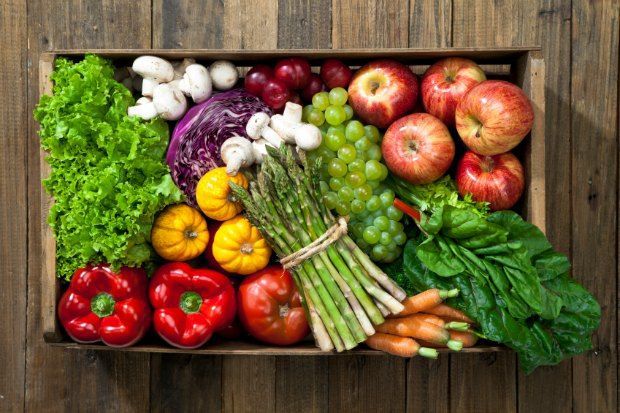
These are the top 10 foods that you might eat if you are an athlete.
Avocado:
Avocado is a fruit, it is in contrast to cholesterol, it has a lot of water, it has many nutrients, it contains considerable quantities of vitamins and minerals. Avocado is low in sodium and sugar, it hasn’t cholesterol and starch, it contains only good fats supplied to stimulate the production of healthy cholesterol and to curb the storage of the harmful one (it can be consumed in all meals of the day).
Quinoa:
It’s a benefical food for the body becouse it’s rich in nutritional properties. It’s highly digestible, contains vegetable proteins, fibers and minerals such as phosphorus, magnesium, iron and zinc. Thanks to the low calorie content, only 360 kcal per 100 grams.
Rice:
It is a hypoallergenic food, easily digestible and with a high biological value. The proteins contained in rice are similar to 86% and do not cause the formation of amino acids not absorbed in the intestine. For this reason rice is part of the classic “blank diet” when, for example, you have the flu. Furthermore, it does not contain gluten and is therefore also suitable for the diet for celiacs. Rice satisfies four times more than bread and gives energy and mental charge for most of the day. It can also be more digestible than pasta and potassium, of which it rich.
Bananas:
Among its benefits and properties, bananas protect the heart, bones, skin and kidneys. A single banana contains between 20 and 30 percent of our potassium needs (the precious mineral that protects the heart and cardiovascular system, and helps bones and muscles not to perish, also reducing the appearance of kidney stones). But apart from the benefits and properties of bananas, which we will see in this text in detail, there are also its versatile uses in the kitchen. You can blend them, eat them in the morning for breakfast, for a snack (avoid them after lunch and after dinner instead). Be careful of two important things when eating bananas. The first: they must be mature, so they are more effective, from the point of view of the properties they have, and better digestible. Second thing: even if you like them very much, don’t go overboard. Bananas are not exactly easy to digest, especially if you make the mistake of eating them after meals.
Chicken:
Chicken is a food that can be brought to the table in all seasons: excellent in winter, it is also very good in summer when the body feels the need for lighter and more digestible foods. Among the many advantages of its consumption we find: high digestibility: the reduced collagen content allows the body to quickly assimilate the nutrients present; it is highly protein: it is a food that manages to cover the daily protein requirement (between 0.75-1.0 g per kilo of body weight), ensuring the supply of all essential amino acids; it is a precious ally for those who want to lose weight or maintain a healthy weight; its fat content varies from 1 to 6 grams per 100 g of product, depending on the parts used. The ratio between the unsaturated (“good”) and saturated (“bad”) fatty acids present is also interesting: it is equal to 0.92 for chicken breast, a value very close to that recommended (around 1) for a optimal diet; it is among the least caloric meats ever: chicken breast brings 100 calories per hectogram, followed by turkey breast (107 kcal per 100 g) and the cut called “over-thigh” (120 kcal per hecto).
Eggs:
Eating eggs is good for memory and concentration, promotes the development of bones and muscles, prevents the lack of iron and atherosclerosis. A boiled egg contains about 80 calories: indicated in low-calorie diets, it gives great energy and contributes to the sense of satiety. The intake of eggs is particularly important for children and young people in the growth phase, the elderly and for those who follow a vegetarian diet.:
Salmon:
Salmon is a real cure for health and also for beauty, as it is part of what are called “superfoods”, those foods rich in active ingredients that work as real boosters, in an anti-aging function, to be taken for better prepare for environmental aggression and skin dehydration. Fatty fish in general and salmon in particular are full of Omega 3, polyunsaturated fatty acids that work wonders for the skin, protecting it from exposure to the sun, cold and pollution, helping to repair the already damaged one, and maintaining healthy cell membranes and hydrated
Legumes:
Legumes are at the top of the plants for the presence of calcium. Chickpeas are the richest in nutritional elements (including proteins) and beans , which contain substances that can lower blood sugar.
Strawberries:
the nutrients they contain, for example, are able to increase the levels of good cholesterol in the blood, lower blood pressure and are effective antioxidants.
Vegetables:
• Fiber. Fibers are associated with the reduction of the risk of coronary heart disease because they regulate LDL cholesterol, the so-called “bad” cholesterol, but at least 3 g per day must be taken.
• Potassium. Potassium is associated with lower blood pressure values as long as, experts say, they take at least 350 mg per day.
• Folate. Present in food in the form of folic acid, it collaborates with vitamin B6 to reduce the levels of homocysteine, an amino acid which, at high levels, can lead to blockage of the arteries. It is associated with a reduction in the risk of cardiovascular disease. But they must take at least 36 microgr.
• Vitamin B6. As above, together with reduced folate levels of homocysteine (we have already met it) if taken at a rate of at least 0.18 milligram. per day.
 The Art of Sport